Background
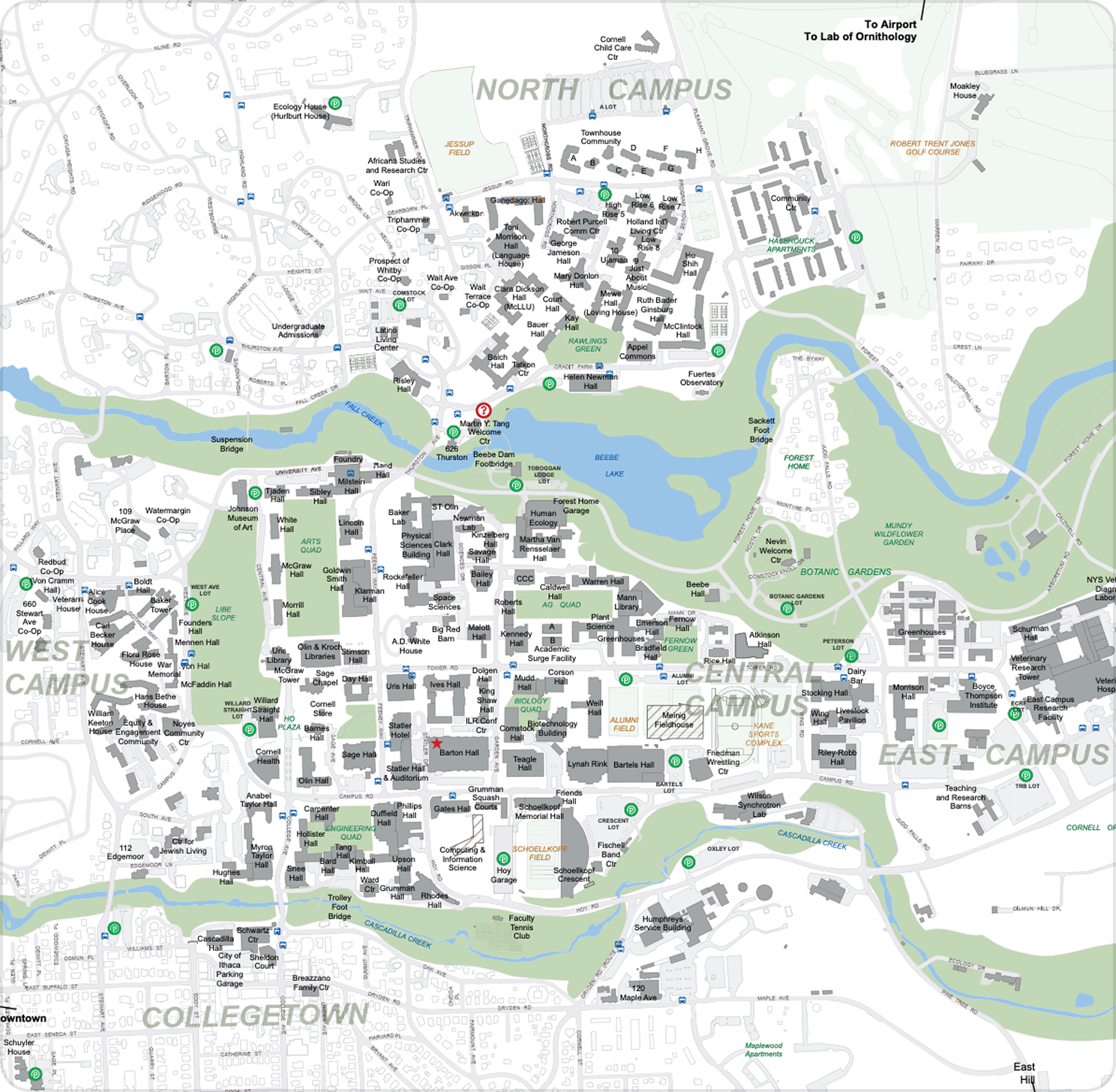
Cornell is known for its large campus. Students often live far apart, and lecture buildings are spread out, making it increasingly difficult to coordinate shared meals personally.
Even when students find time, they spend significant effort deciding on where to eat, leading to missed social opportunities.
Research & Insights
Conducted 10+ interviews and used affinity diagrams to decode the student dining experience at Cornell.
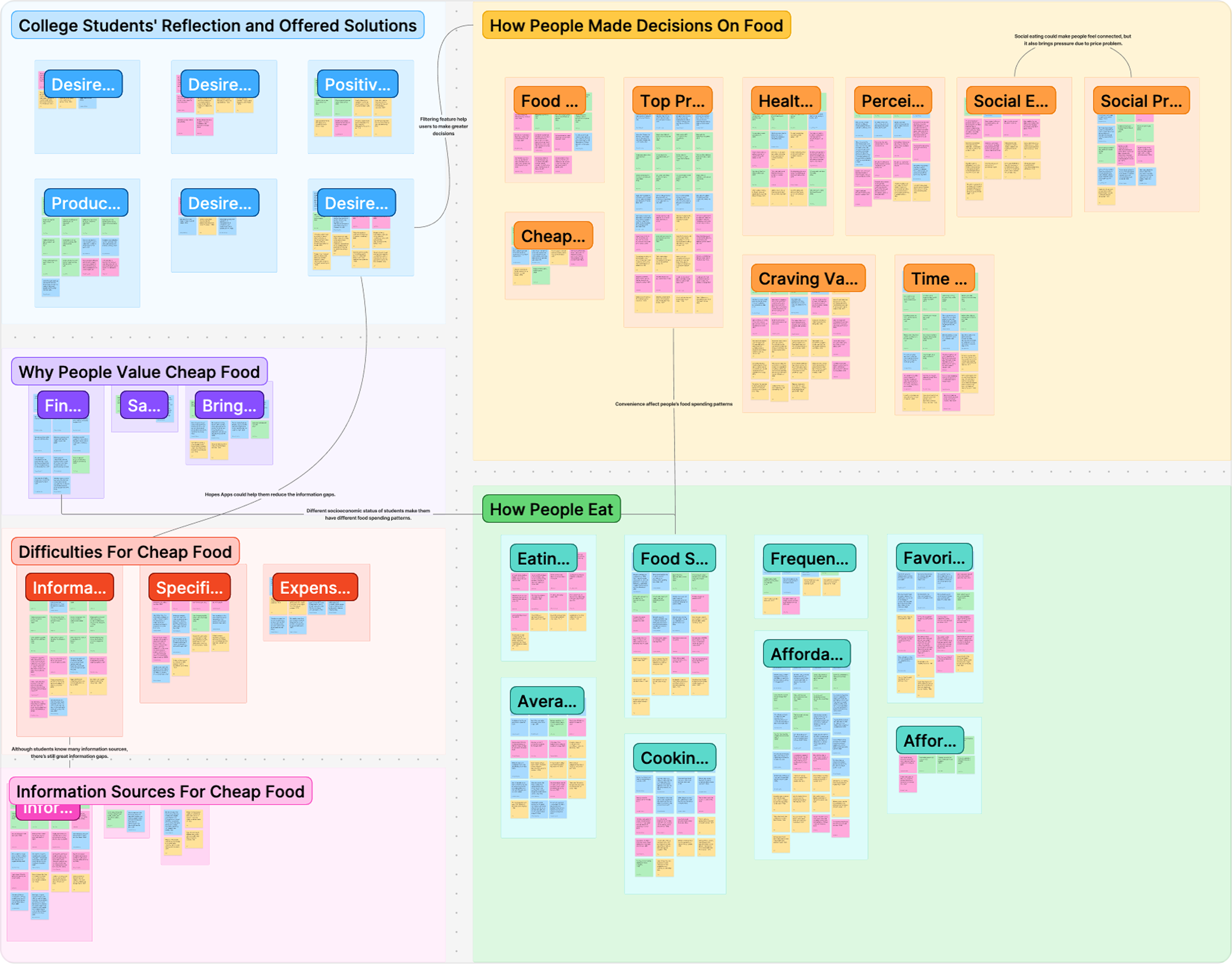
Proximity Barriers
Location largely affects students’ eating patterns on campus, dictating choices based on convenience rather than preference.
Social Commitment
Students value the connection of social dining but find it difficult to commit to in-person participation every time.
Health vs. Budget
A lack of healthy, affordable dining options forces students to compromise on their physical well-being.

"She wants to maintain a healthy lifestyle, maximize time available in the day, and enjoy time with her friends without the burnout of over-planning."
The Problem
Undergraduate Cornell students need to find food options near their daily activities while staying physically healthy and maintaining social connections through eating with friends.
Design Concepts
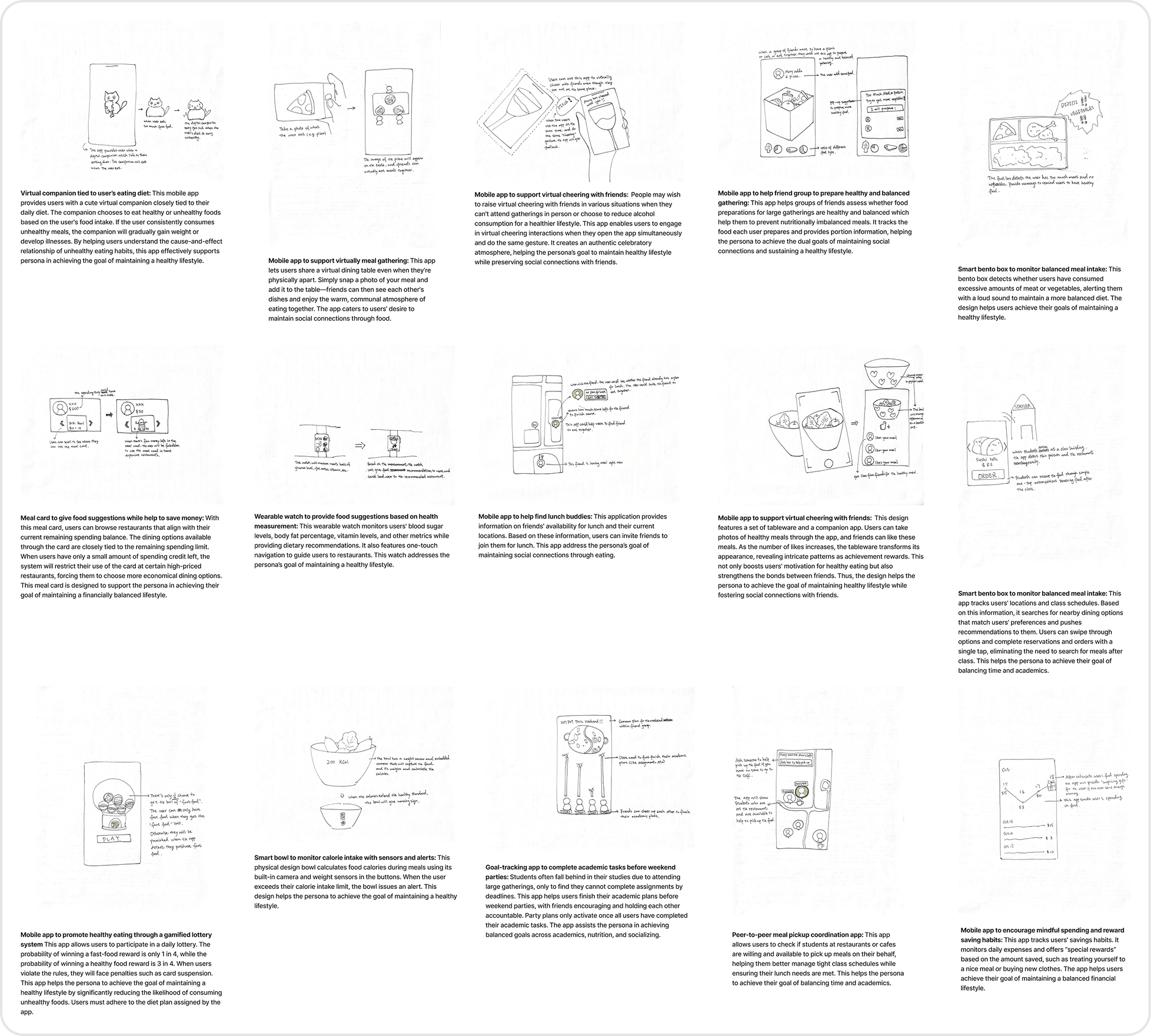
Through rapid sketching and brainstorming, we identified four core engagement pillars.
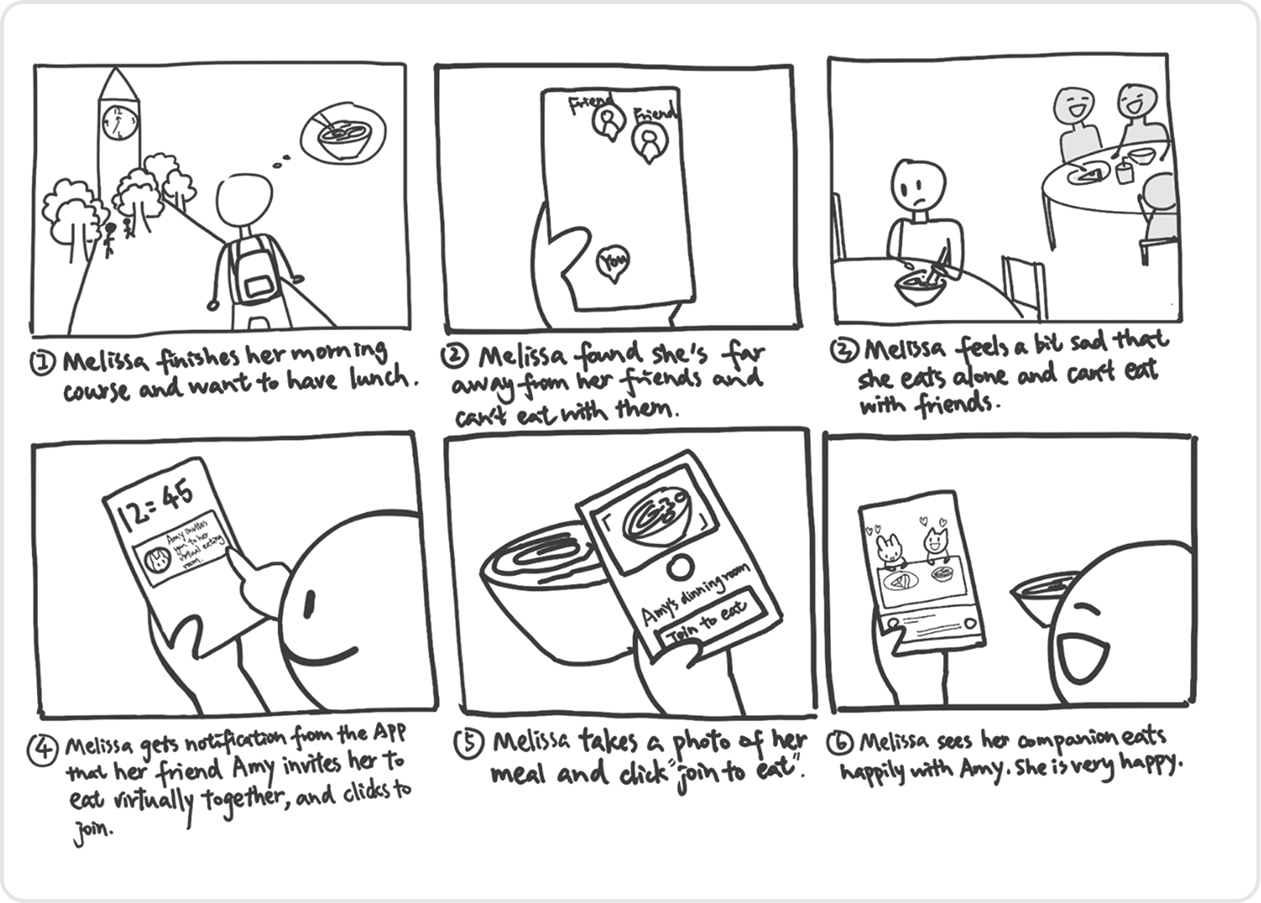
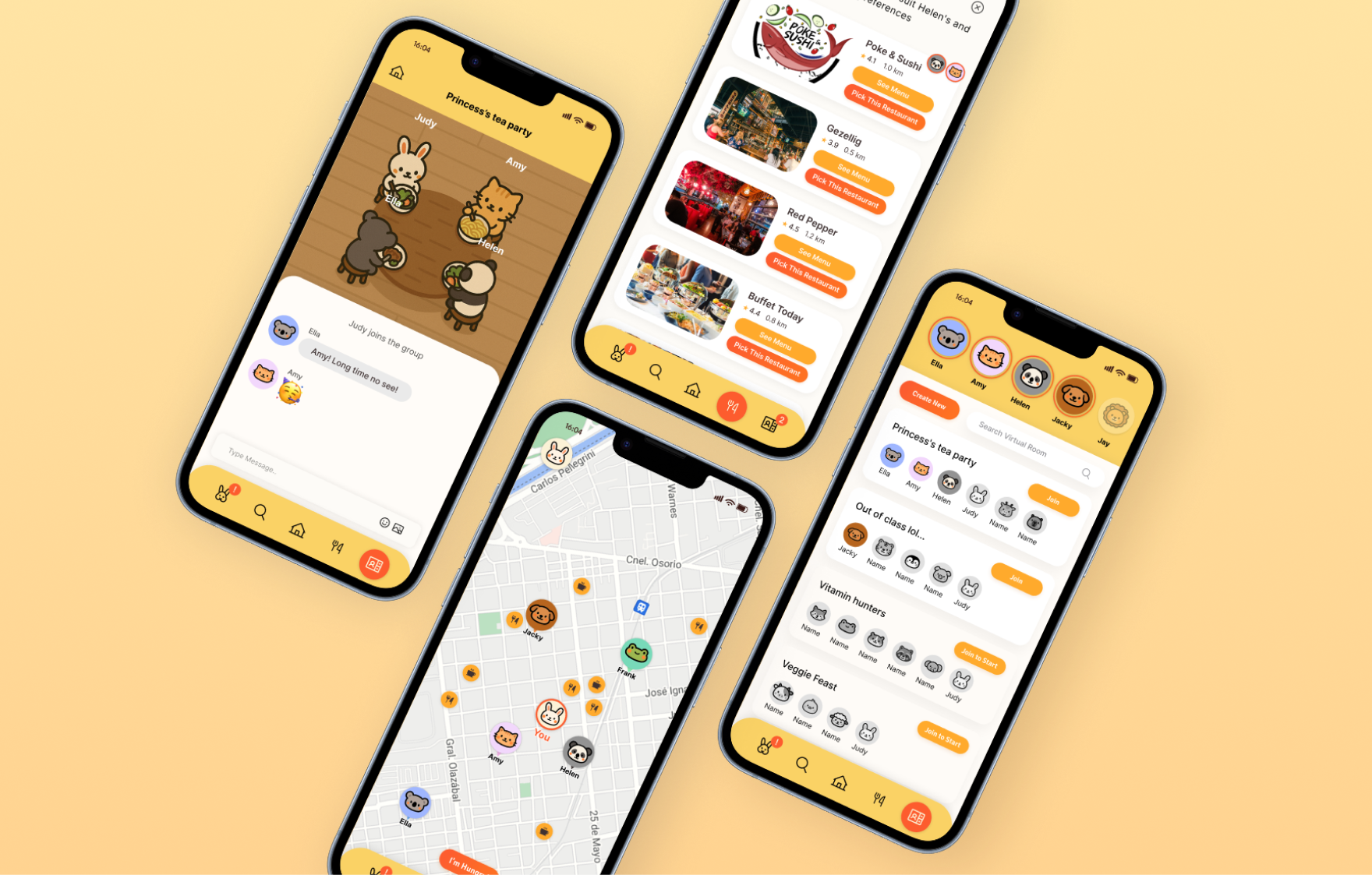
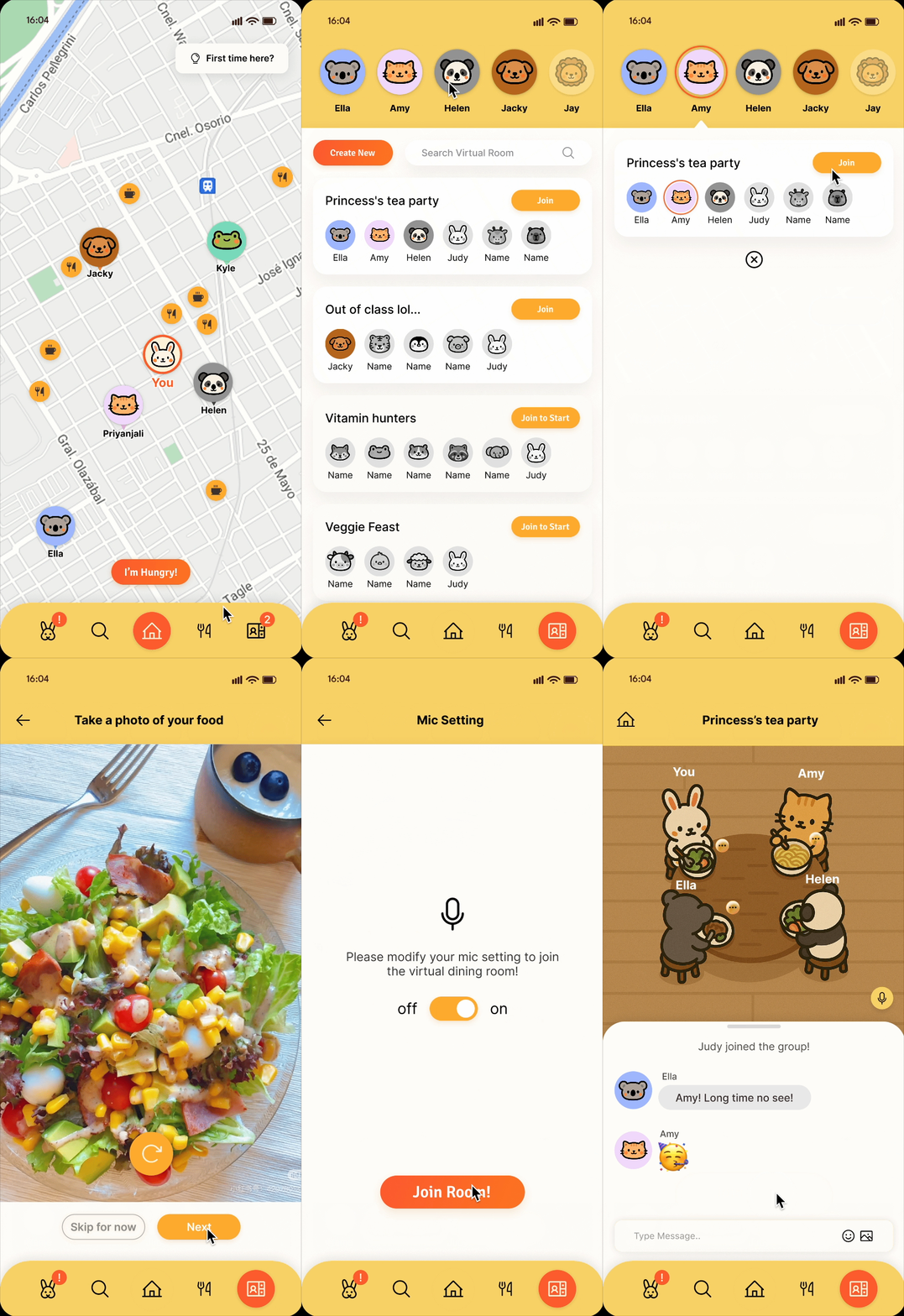
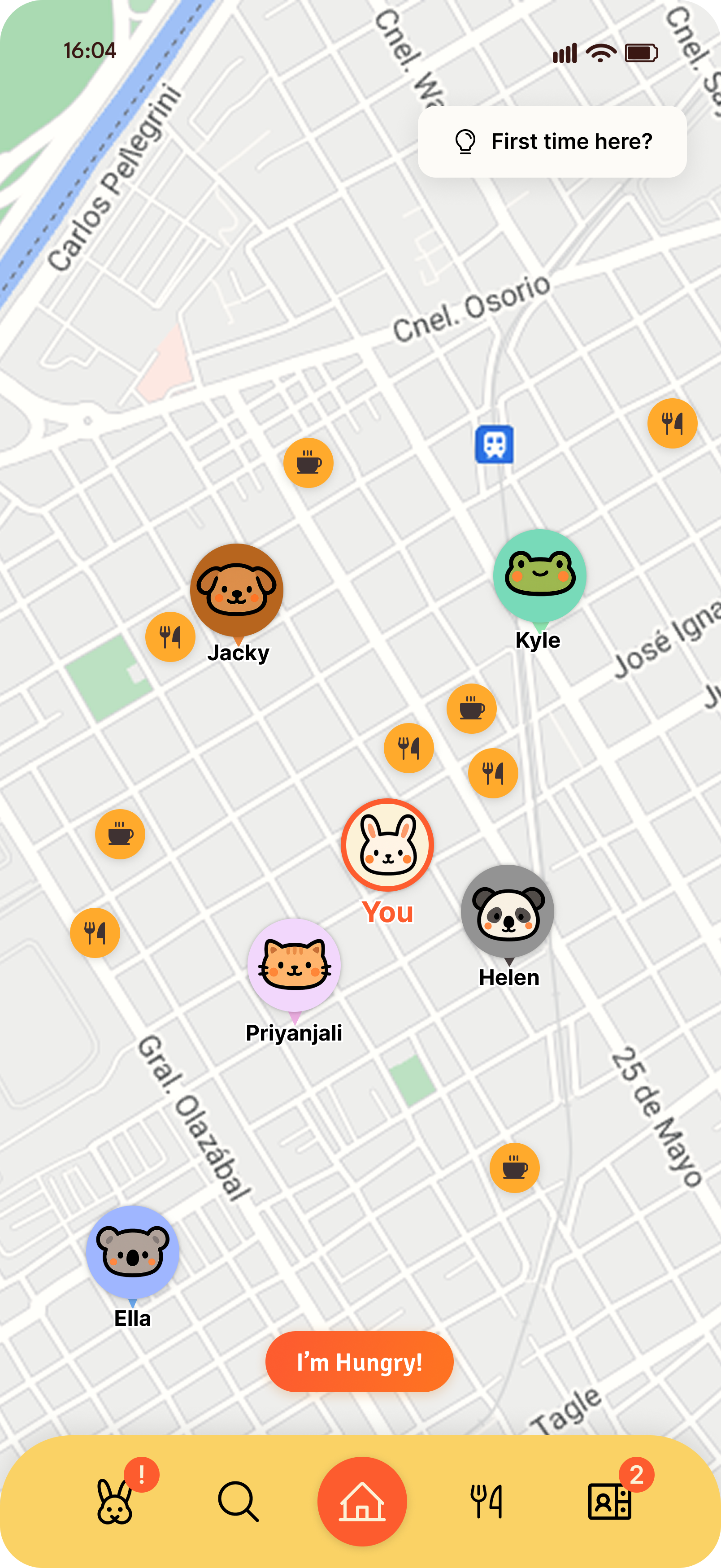
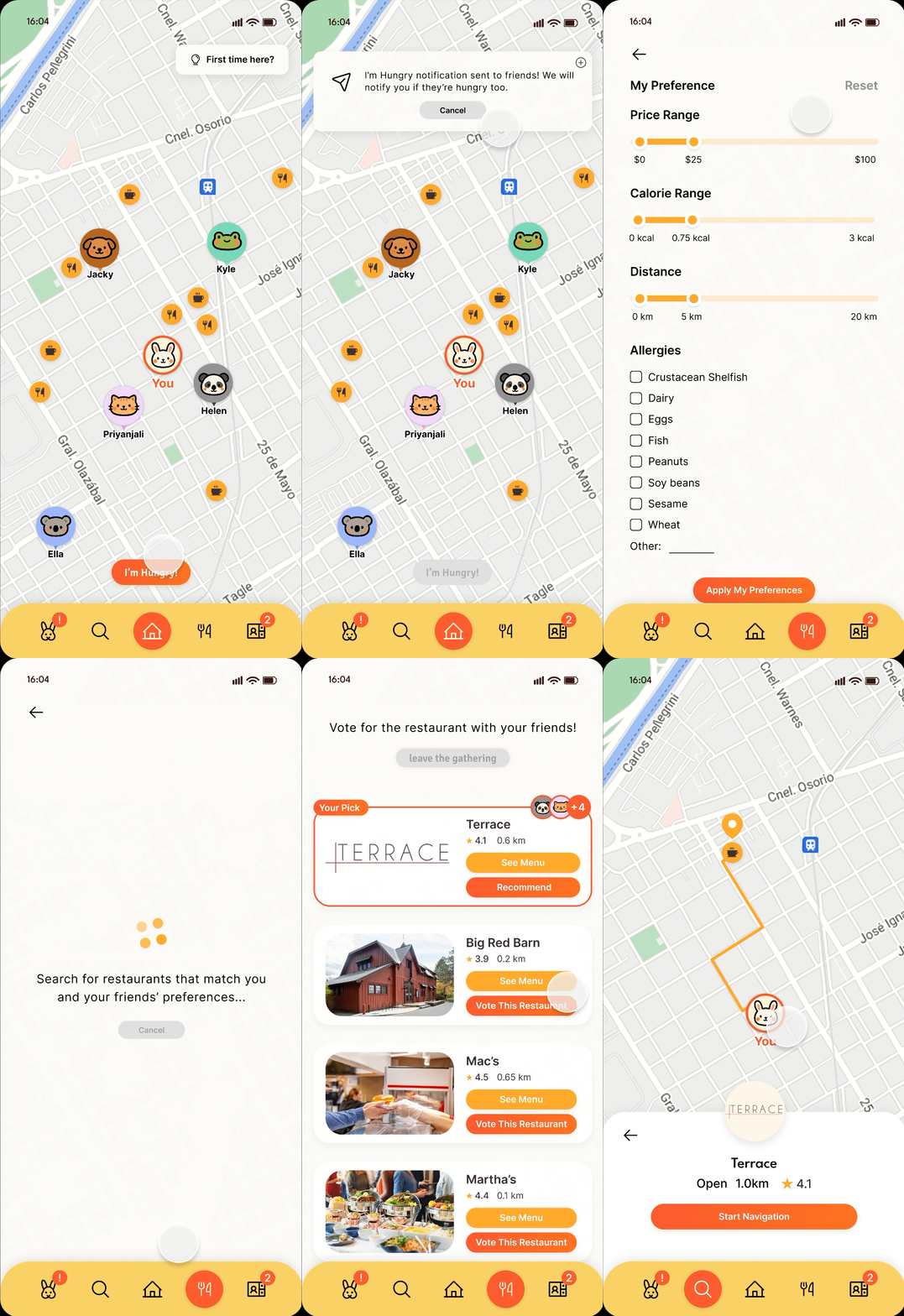
Virtual Dining Room: Coordinate virtual meals when meeting in person isn't possible, fostering social connection regardless of location.
Restaurant Matching: Find mutual favorites based on everyone's dietary needs and budget to simplify group decision-making.
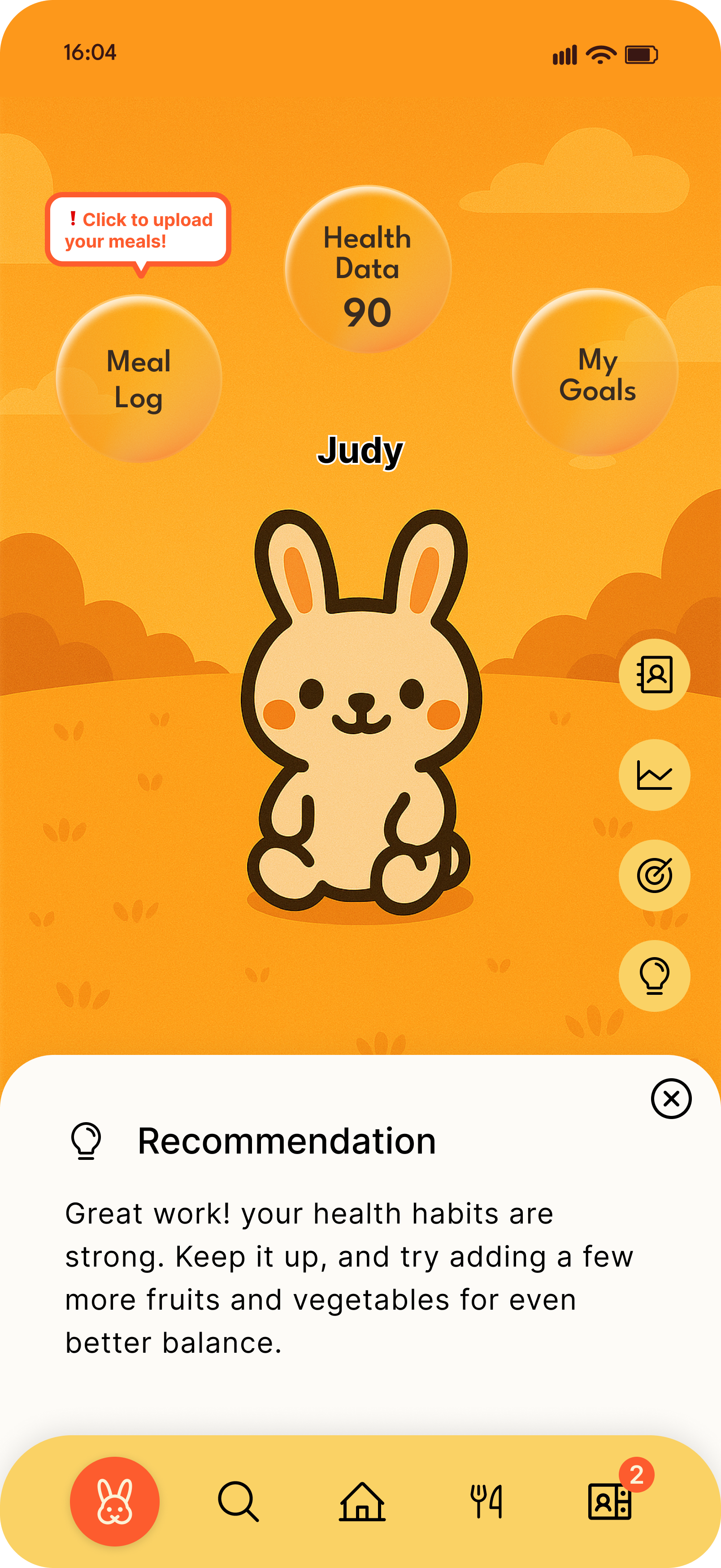
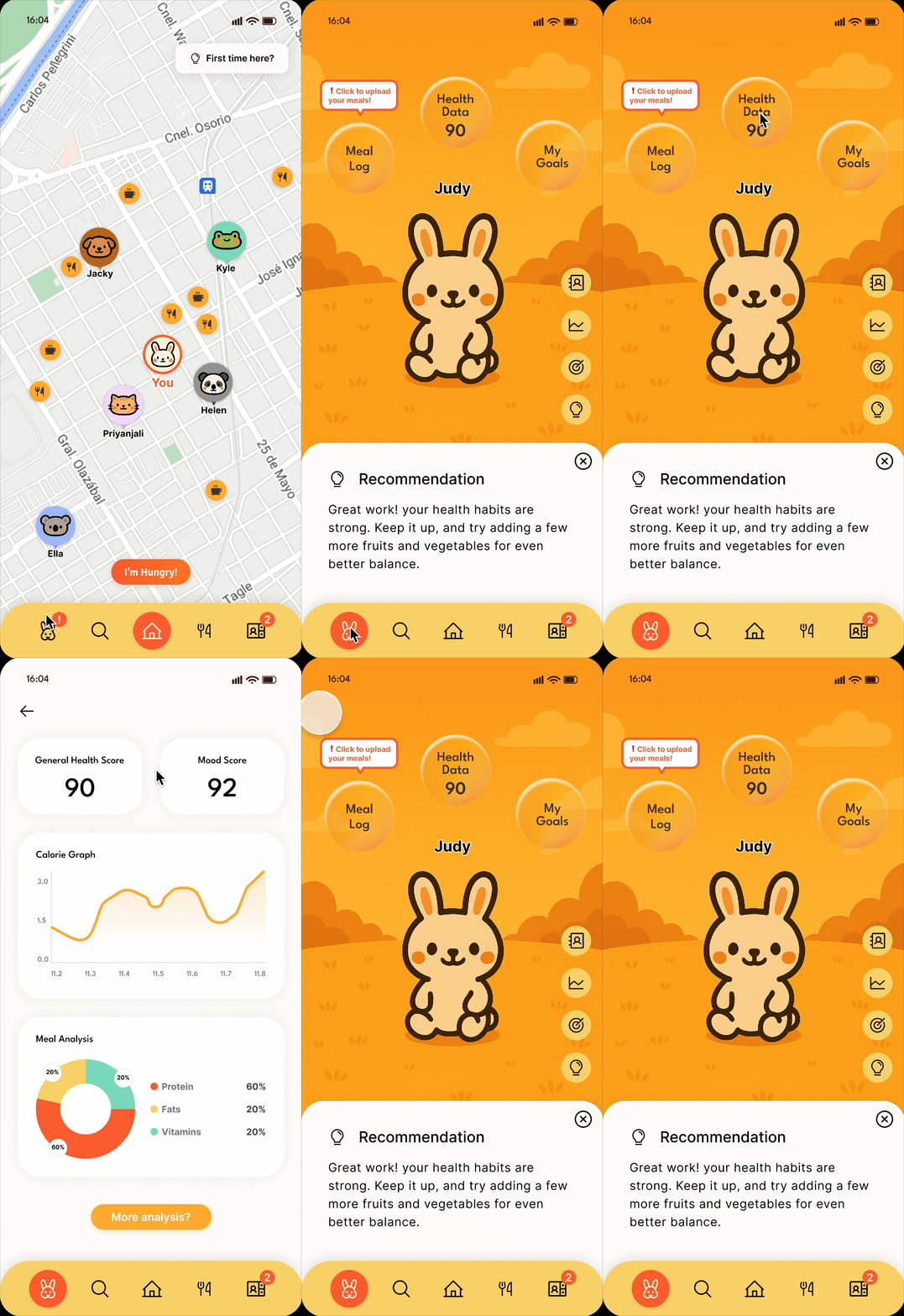
Virtual Companion: A gamified health tracker that evolves based on your eating habits, encouraging personal well-being.
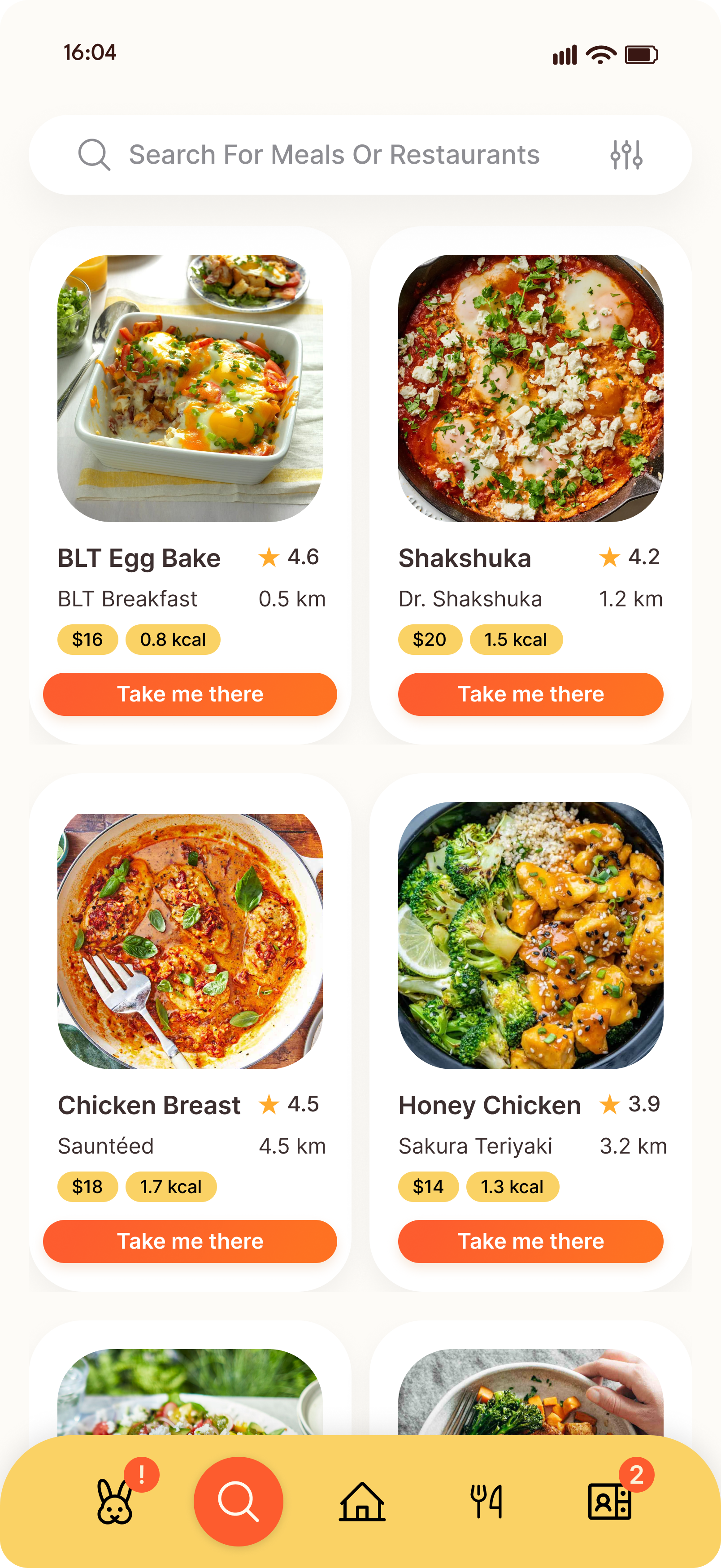
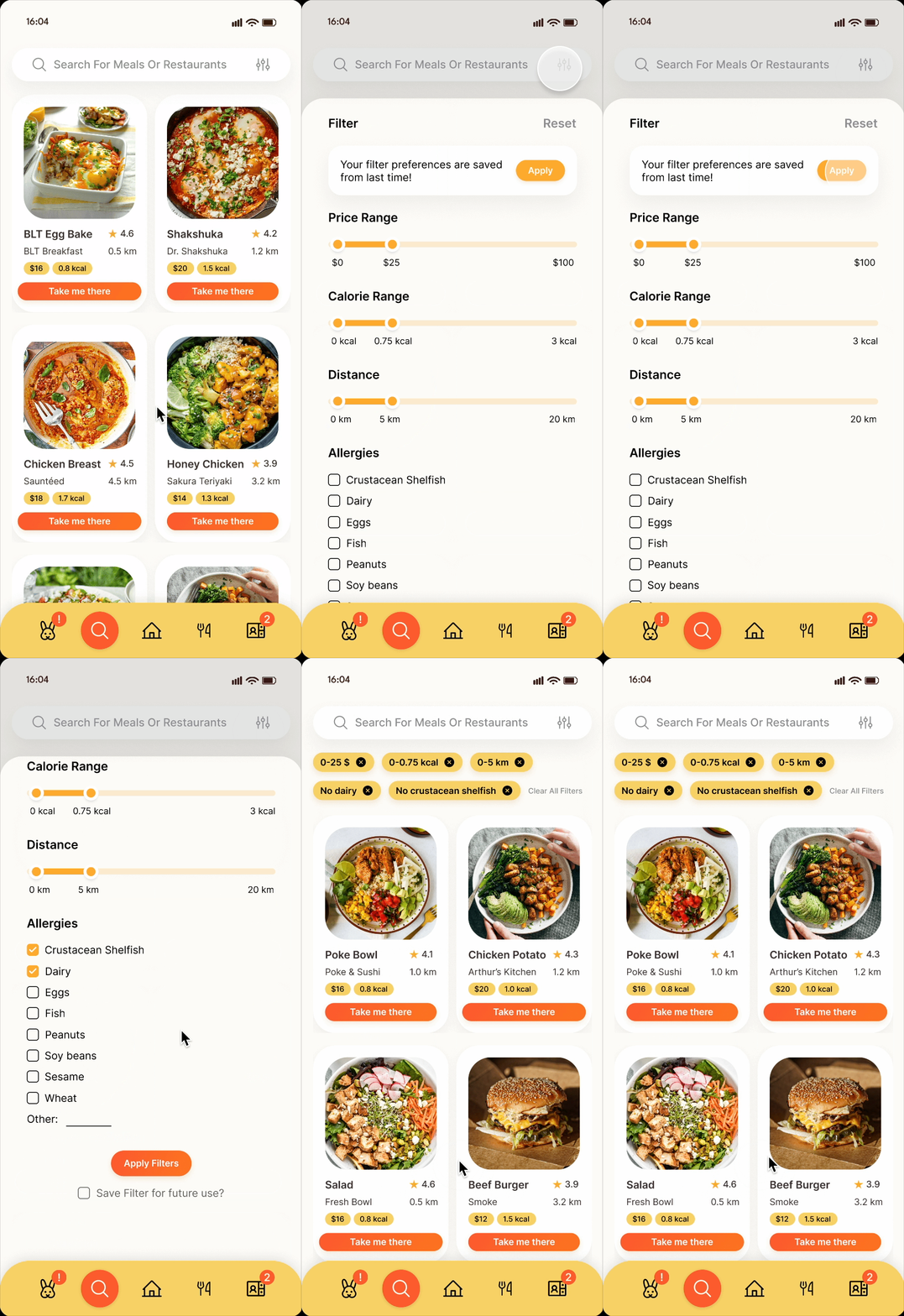
Intelligent Search: Quickly find the perfect dining spot by filtering by calories, proximity, and community ratings.
Prototyping
1. Paper Prototyping
We started with low-fidelity paper sketches to quickly iterate on core features and get user feedback.
2. High-Fidelity Prototyping
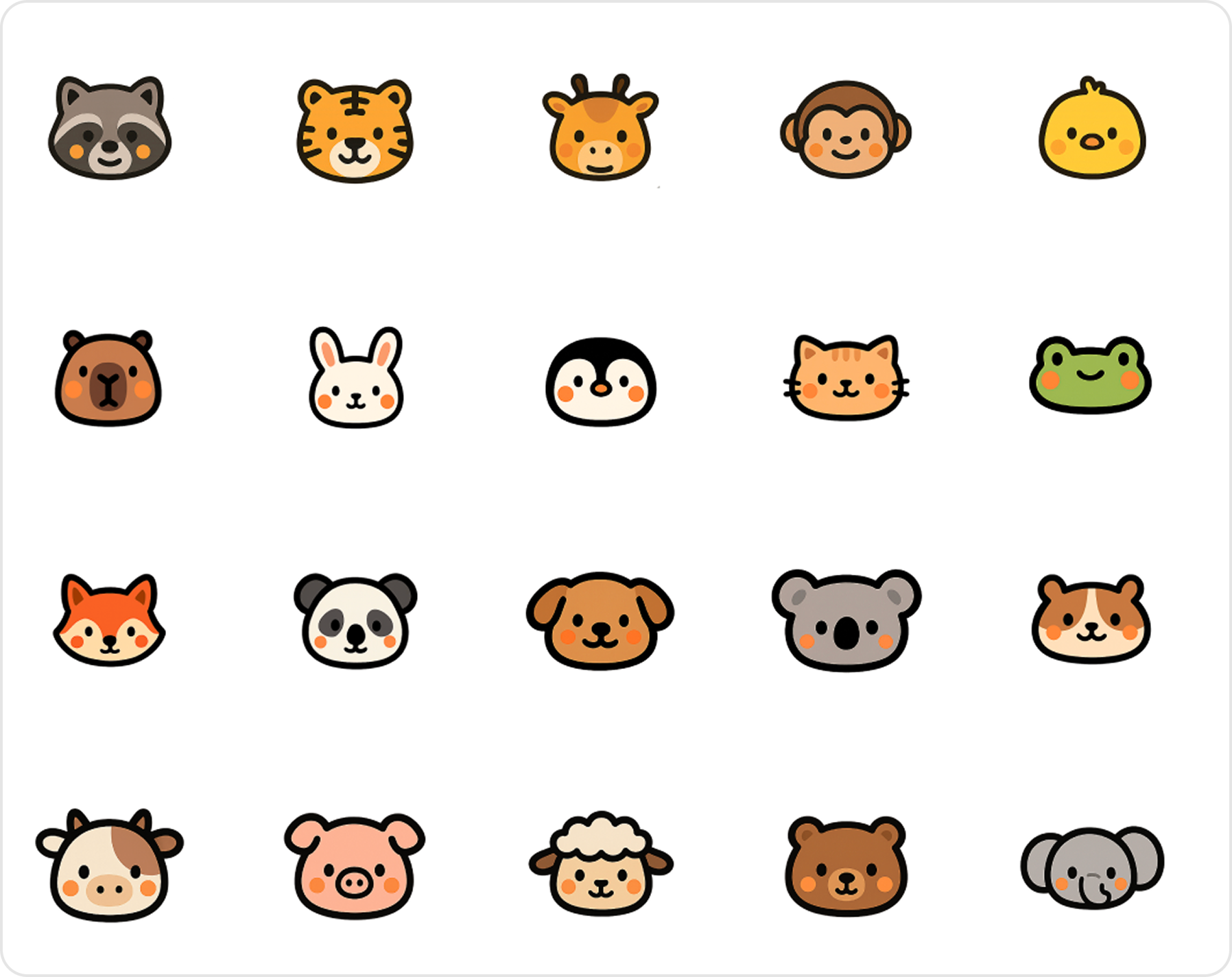
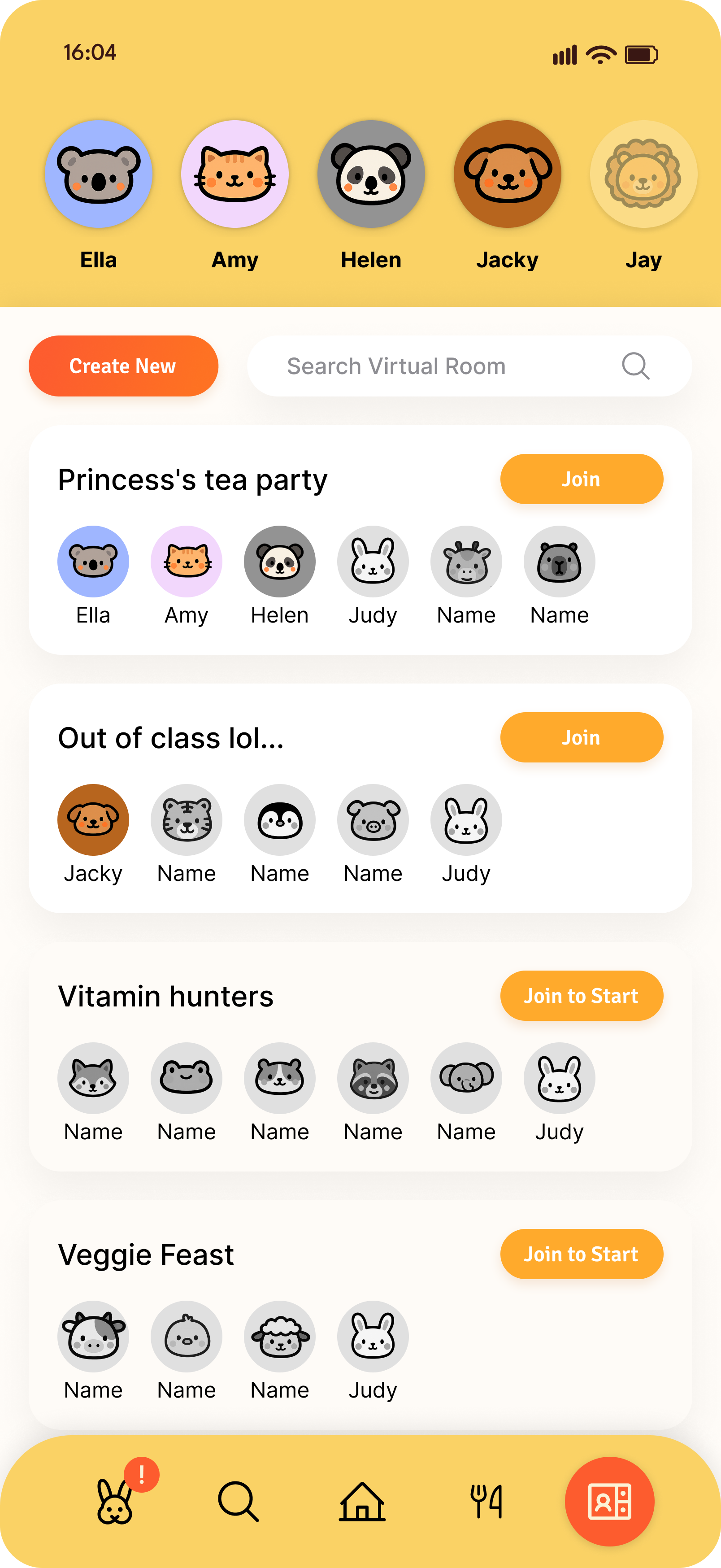
We offer users a wide variety of virtual companions to represent themselves in our app, making the app experience more engaging and gamified.
Project Impacts
Best Design Award: We received the Best Design Award out of 40 competing groups in the Cornell design exhibition.
Leading the design for this multidisciplinary team was a rewarding experience, guiding teammates through conceptual aesthetics, prototyping, and the iterative feedback loops of high-fidelity design.